Hey there, if you’ve ever hung around a concert, club, or event setup crew, you’ve probably stared at that sharp, pinprick-like beam that cuts through the dark like a laser—you know, the one that makes the crowd go “whoa” when it zips across the stage. That’s a moving head beam light, and one question I get like, every single week from venue managers, event planners, and even other light techs is: “What’s the actual beam intensity of these things? And why does it matter more than just how bright it looks?” Moving Head Beam Light
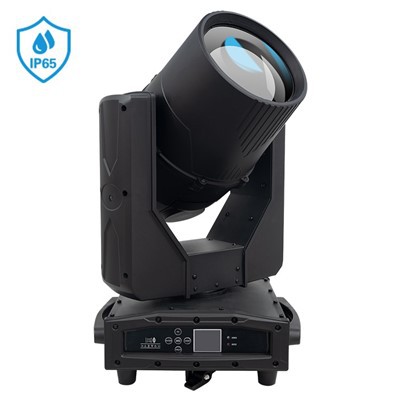
As a moving head beam light supplier, I’ve fielded so many versions of this question over the years—some from a newbie who just bought their first rig for a small bar gig, some from a production company prepping for a 10k-person festival, even from a teacher writing a curriculum on stage lighting. Most folks don’t realize beam intensity isn’t just a random number stamped on the spec sheet. It’s the whole reason that beam cuts through smoke instead of fading into the background, why it’s visible 100 feet back from the stage, and why a $500 moving head works way better for a small space than a $2k one that’s overkill. Let’s break this down like I’d explain it to my buddy at a setup call, no stuffy jargon that makes your eyes glaze over.
First off, let’s get one thing straight: beam intensity isn’t the same as total light output. Total output is measured in lumens, right? That’s all the light the light throws in every direction, like a flashlight that’s open all wide. Beam intensity is the concentration of that light into a narrow, tight beam—usually between 2 and 15 degrees for moving head beams, compared to the flood lights that are 30+ degrees. Think of a garden hose vs. a sprinkler: the sprinkler (total lumens) covers a big area, but the hose (beam intensity) has that strong, concentrated stream that can shoot across the yard. For moving head beam lights, that concentration is key. The narrower the beam angle, the higher the intensity—because you’re packing all those lumens into a smaller spot. So if two lights both put out 10,000 lumens, the one with a 3-degree beam will have way higher intensity than the one with a 10-degree beam. That’s why that pinprick beam looks way brighter to the naked eye than a wider flood light with the same total lumens.
Now, how do we actually measure beam intensity? You might see terms like candela (cd) or lux on spec sheets, and honestly, those are the numbers you should care about—way more than just “bright.” Candela is the standard for measuring the intensity of a light in a specific direction, which is exactly what a beam is. Lux is similar, but it’s the amount of light hitting a surface at a given distance—so if a light has 500,000 candela, at 50 feet away, that translates to a certain lux reading that tells you how bright that beam looks on a wall or through smoke. I’ll give you a real example: a lot of our entry-level moving head beam lights have around 350,000 candela. For a small club or a 500-person venue, that’s perfect—you get that sharp, visible beam that doesn’t overpower the space. Our mid-range ones go up to 800,000 candela, and our top-tier professional models hit 1.2 million candela. Those are for big festivals, arenas, or shows where you need the beam to cut through stage haze 150 feet back.
Here’s the part most people miss about beam intensity: it’s not just about how bright the beam is in open air. It’s dependent on the environment you’re using it in. If you’re in a venue with super thick smoke or fog (like for a Halloween show or a concert with a theatrical effect), higher intensity is non-negotiable. Smoke particles scatter light, so a lower-intensity beam will fizzle out, looking more like a faint glow than that sharp, defined beam people love. I remember a client who bought a cheap moving head beam for their annual Halloween haunt—they had thick fog machines going nonstop, and the light they got only had 150,000 candela. The beam was barely visible, so they had to rent extra lights last minute, which cost them way more than just getting the right model in the first place. Another example: if you’re setting up a small lounge with no fog, even a lower-intensity light works great—you won’t need to cut through a bunch of particles, so 200,000 candela is enough. So it’s not a one-size-fits-all number; it’s tailored to your space and your use case.
Wait, also—people mix up beam intensity with the light source, right? The type of bulb in the moving head beam has a huge impact on intensity. Back in the day, moving heads used metal halide bulbs, but now LED is way more common, and even laser hybrids are popping up. Let’s talk about that: an LED moving head beam with 800,000 candela will use way less power, run cooler, and last way longer than an old metal halide bulb with the same intensity. That’s a big deal for clients who don’t want to change bulbs every 6 months or pay crazy electricity bills for a rig that runs 12 hours a night. Also, the lens and optics on the light matter just as much as the bulb. If a light has a good quality precision lens, it can focus the light way tighter, boosting intensity without cranking up the power. That’s why some budget lights look like they have high candela numbers on paper, but in real life, their beam is fuzzy and weak—they cut corners on the lens, so the light spreads out instead of staying concentrated. As a supplier, I test every model we sell in our warehouse with a lux meter at 50 feet to make sure the numbers on the spec sheet match what the user actually gets. No false advertising here—we’ve had clients come to us after buying from another brand, and they’re shocked when our 800k candela light outperforms their “1 million candela” budget light.
Another thing to note: moving head beam lights are dynamic, so their intensity can change as you tilt or pan them. Wait, no—more like, if you’re pointing the beam at a surface that’s not directly facing the light, the intensity drops. That makes sense, right? The same way a flashlight’s beam is brightest straight ahead, and dimmer if you point it at an angle at a wall. For moving heads, that’s why when you see a beam moving across a crowd, it looks bright when it passes in front of you, but fades a bit as it goes further. But that’s normal—what’s important is how much intensity drops, which is based on the light’s beam angle and quality. A good moving head will have a consistent intensity across the entire beam, so you don’t get that weird dim spot in the middle of the beam.
Now, let’s get to the real-world use cases, which is what our clients care about most. If you’re a small venue (100-500 people) hosting weekly DJ sets or local bands, our entry-level moving head beams (350k candela) are perfect. They’re lightweight, easy to mount, and give you that sharp beam that makes the dance floor pop—no need for something overkill that’ll cost you extra. For mid-sized clubs or event spaces (500-2000 people), our mid-range models (800k candela) hit that sweet spot—they’re bright enough to cut through light fog, work for both small shows and private events like weddings (everyone loves that dramatic beam for first dances or exits). For big productions: festivals, arena tours, large-scale corporate events, those top-tier 1.2 million candela lights are non-negotiable. I worked with a production crew last year for a summer tour that had 20 of our top moving head beams, and they said the beam was visible 180 feet back from the stage, even with bright daylight spilling in from the venue’s open sides. That’s the kind of intensity that makes a show feel epic, not just like a bunch of lights on a stage.
Here’s a mistake I see new lighting buyers make all the time: they fixate only on the highest candela number they can find, without thinking about their actual needs. Last year, a wedding planner came to us wanting to buy 10 moving head beams for a 100-person wedding. They saw a spec sheet for a 1.2 million candela light and decided that was the best, but when I talked them through it, I explained their wedding would be in a small barn, with light fog for effect, and that high intensity would actually be too much— it would cast harsh shadows on the dance floor and be uncomfortable for guests’ eyes. We suggested our mid-range 800k candela lights, which they got, and they texted me a week later saying it was exactly what they wanted. That’s why as a supplier, I don’t just sell lights— I help people figure out what they actually need, not just what looks good on paper.
Also, let’s address the elephant in the room: LED vs. other light sources for intensity. A lot of people think halogen or metal halide are brighter, but that’s not true anymore. Modern LED moving heads have caught up—our 800k candela LED light is just as bright as an old 1000w metal halide beam, but uses half the power. Plus, LEDs are more durable—they don’t burn out if you bump them, which is a big plus for rigs that get moved around a lot. We’ve had a client who rents moving head beams for touring, and they told us their LED lights have cut their replacement bulb costs by 70% compared to their old metal halide rigs. That’s a huge savings over time, which is something to consider when you’re buying, not just the upfront cost.
Wait, should we mention distance? Yeah, that’s a big one. The intensity of a beam drops with distance, right? It follows the inverse square law—so if a light has 400,000 candela, at 25 feet that’s 640 lux, at 50 feet it’s 160 lux, at 100 feet it’s 40 lux. That’s still enough to see the beam at 100 feet, but if you need it at 200 feet, you’ll need a light with way higher candela—like 1.6 million, which is exactly what our top model has. That’s why when clients tell me how far back their stage is from the back of the venue, I can tell them exactly which light will work for them. No guesswork, no wasted money.
Let’s wrap this up with something practical, because that’s what my readers care about. If you’re in the market for moving head beam lights, here’s what to ask instead of just “what’s the beam intensity”: First, what’s the candela rating (or the lux at a specific distance)? Second, what’s the beam angle? Third, what’s your venue size and what kind of effects (like fog) will you be using? Fourth, how often will you be moving the lights? All of those things will tell you exactly what intensity you need, not just a random number.
At the end of the day, beam intensity is all about the experience. It’s what makes a concert feel like a spectacle, what makes a wedding’s first dance feel magical, what makes a club’s dance floor feel alive. Too low, and the beam is just a faint line no one notices. Too high, and it’s overpowering, distracting, or even uncomfortable. As a moving head beam light supplier, my job isn’t just to sell you a light—it’s to make sure you get the right intensity for your space, so your event or show turns out exactly how you want it.
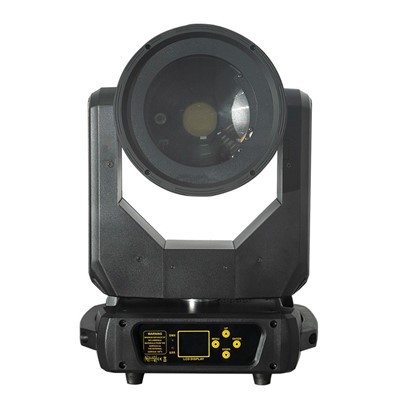
If you’re planning a show, venue upgrade, or event and want to chat about which moving head beam light will work best for you, don’t hesitate to reach out. We’ll walk you through the numbers, test models if you want, and make sure you don’t overspend or get stuck with a light that doesn’t do what you need. Whether you’re a small bar owner with a $1k budget or a production company prepping for a tour, we’ve got the right beam intensity for your needs.
Moving Head Profile Frame Light References
- British Television Technology Centre. (2018). Lighting Measurement Fundamentals: Candela, Lux, and Beam Intensity.
- Stage Lighting Association. (2021). Moving Head Beam Lights: Optics, Light Sources, and Real-World Performance.
- Illuminating Engineering Society. (2020). Lighting for Theatrical and Event Spaces: Intensity and Beam Characteristics.
Guangdong New Start Lighting Co., Ltd.
Guangdong New Start Lighting Co., Ltd. is one of the most professional moving head beam light manufacturers and suppliers in China. Welcome to wholesale durable moving head beam light in stock here and get quotation from our factory. All customized products are with high quality and competitive price.
Address: No.2, Hubin Road, Jiaoxin Village, Shimen Street, Baiyun District, Guangzhou, Guangdong, China
E-mail: newstartkate@gmail.com
WebSite: https://www.newstartlighting.com/
