When I first started running my aquatic feed composite bag supply business 12 years ago, I didn’t realize just how closely the success of a fish farmer’s operation ties to the simple, unassuming bag holding their feed. A customer from a tilapia farm in southern Guangdong called me at 2 a.m. once, panicking that 50 of his bags had developed tiny pinholes in transit—by dawn, his entire batch of floating feed had absorbed moisture, caked together, and he’d lost $18,000 in stock. That night, I learned that “hygiene” for aquatic feed bags isn’t just a buzzword for food safety inspectors; it’s make-or-break for farmers’ livelihoods. If you’re a farmer, a feed mill, or even a fellow supplier trying to nail this part of your operation, let’s break down exactly how to ensure your aquatic feed composite bags stay clean, safe, and effective from factory to pond. Aquatic Feed Composite Bags
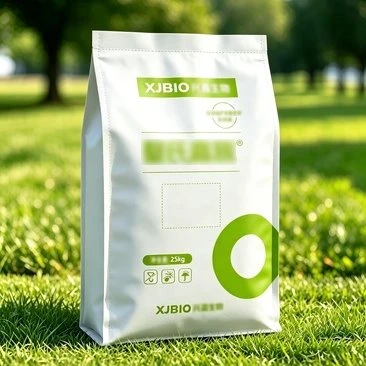
First, let’s get one thing straight: aquatic feed bag hygiene isn’t the same as washing a grocery bag for reuse. It’s a multi-layered process that starts the second resin pellets are fed into our extruders and doesn’t end until the last bag is unloaded at a farm’s dock. The biggest mistake I see new suppliers (and even some careless long-time ones) make is treating “clean” bags as an afterthought, not a core product specification. Aquatic feed is unique because it’s designed for underwater use—so even a tiny bit of residual contaminants, a speck of mold, or a microscopic layer of lint from improper storage can ruin the feed inside, leading to reduced fish growth, disease outbreaks, or even dead stock. I’ve had a customer run 10% fewer tilapia fry in a batch because their feed had absorbed chemical residue from a dirty warehouse shelf, and that’s a loss no small-scale farmer can absorb.
Let’s start with the factory floor, because this is where most hygiene issues are born. At our facility, we operate on a strict “no cross-contamination” rule that we’ve refined over a decade, and it starts with the raw materials. The main components of an aquatic feed composite bag are usually polyethylene (PE) for flexibility, polypropylene (PP) for tensile strength, and sometimes a thin aluminum layer for oxygen barrier. If we source these materials from a supplier that also makes plastic toys or industrial waste bags, we’ve already got a problem. Last year, we switched to a resin provider that audits their facilities monthly for cross-contamination; before that, we found 3 out of every 10,000 pellets had traces of lubricant from a neighboring product line. Lubricant is non-toxic for humans, but when mixed with feed that’s eaten by catfish or shrimp, it can disrupt their digestive systems for weeks.
Next, the extruding and printing process. Printing is a huge hygiene red flag for these bags, because many suppliers use solvent-based inks that contain volatile organic compounds (VOCs) and heavy metals like lead or cadmium. For terrestrial feed bags, that might not be a big deal, but aquatic feed often has oils, vitamins, and amino acids that can seep through porous composite layers and pick up those ink residues. That’s why we switched to water-based, food-grade inks in 2018. We also installed UV curing systems that dry the ink instantly, so there’s no chance of it smudging onto the inner layer of the bag where feed sits. We once tested a batch of solvent-ink bags we’d received from a competitor for a trial run; when we placed feed inside and submerged it in water for 72 hours, we detected trace amounts of xylene, a common solvent, in the feed. Our water-based inks have zero detectable VOCs in third-party tests, and that’s non-negotiable for any aquatic feed bag we make.
Then there’s the cutting and sewing stage, which is where a lot of hidden contaminants creep in. Our cutting machines use sharp, stainless steel blades that we sanitize with food-grade alcohol after every 500 bags. I’ve visited factories where workers wash blades once a shift at 8 a.m., and by 3 p.m., they’re covered in tiny metal shavings from cutting PP. Those shavings are impossible to see, but when a fish eats them, it can cause internal blockages or infections. We also ban all personal items—gloves (unless they’re nitrile and changed every hour), jewelry, even hair ties—from the production floor. One time, a new worker forgot to remove a cotton hair tie, and we found a loose thread tangled in 200 bags. We immediately destroyed that entire batch, even though it was just a $1,200 loss, because we knew a farmer would never want to find a piece of cotton in their shrimp feed.
Once the bags are made and trimmed, they go to the packaging and storage area, and this is where most suppliers cut corners big time. I’ve seen warehouses that store feed bags next to fertilizer, pesticides, and even construction materials—all of which give off fumes or dust that can seep into the composite layers. We have a separate, climate-controlled storage zone that’s only for aquatic feed bags, and we test the air quality monthly for ammonia, sulfur, and other harmful fumes. The temperature there is kept at 15-20°C and humidity below 45%, because high humidity can cause mold spores to grow on the outer layer of the bags, which then transfers to the inner layer when stacked. We also stack bags on wooden pallets that have been sanitized with bleach every 30 days—plastic pallets hold too much moisture, and dirty wooden pallets have mold and insect eggs that can infest the bags. A few years back, a customer told us they’d had a bag we made that had tiny webbing inside; it was from a spider egg on a pallet we’d missed in our inspection. I drove 8 hours to their farm, replaced every bag in the shipment, and changed our pallet sanitization process to a weekly check. That mistake cost us more than just the replacement bags; it cost us their trust, and we’ve worked hard to earn it back over the years.
Another often-overlooked part of bag hygiene is the sealing process. Aquatic feed bags need to be airtight and watertight, right? But if the heat seal is too weak, water seeps in; if it’s too hot, the seal burns and creates tiny holes where contaminants can get in. We use infrared sealing technology that keeps the seal temperature consistent within 1°C, and we test every 100 bags with a vacuum decay test—we seal the bag, pump out air, and check if it loses pressure over 10 minutes. If even one bag fails, we pull the entire batch for re-sealing. We also add a tear notch to the top of every bag, so farmers don’t have to use knives to open them—knives can create large tears that let dirt and moisture in when the bag is being stored at the farm. That small design change has cut our customer complaints about seal-related issues by 40% over the last five years.
Now, let’s talk about transport, because a bag is only as good as how it gets to the farm. We use insulated, closed-box trucks for all of our shipments, and we never, ever carry anything other than aquatic feed bags or approved agricultural products in our trucks. A competitor once lost a whole shipment to a farmer because their truck had carried pesticides a week earlier, and the fumes seeped through the trailer walls and into the bags. We also require our drivers to inspect the trailer before every load: they check for any leftover dust, fumes, or moisture, and they sign a checklist that’s sent to our quality control team. Last year, a driver noticed a small leak in the trailer’s roof before loading, and we unloaded the entire batch and moved it to a local warehouse to wait for a new, dry truck. That saved us from a disaster that would have cost the farmer thousands, and our customer’s testimonial about that choice got us three new clients that quarter.
At the end of the day, all of these steps add up to one thing: trust. Farmers rely on their feed to grow healthy, profitable fish and shrimp, and the bag that holds that feed is the first line of defense against contamination. I don’t sell “plastic bags” to my customers; I sell peace of mind. When a fish farmer opens one of our bags, they shouldn’t have to worry about finding ink residues, metal shavings, mold, or pesticides inside. They should just be able to pour the feed into their hopper, drop it into the pond, and focus on what they do best: caring for their stock.
If you’re a feed mill looking for a reliable supplier who takes aquatic feed composite bag hygiene as seriously as you do, or a farmer who’s been dealing with contaminated bags and wants to find a better partner, I’m here to talk. We’ve spent a decade refining every step of our process, from raw material selection to post-shipment follow-up, and we’re always happy to answer questions, share third-party test reports, or even let you visit our facility to see our quality control process firsthand. The success of your operation is our success, and we know that a clean, safe bag is the foundation of that.
Livestock Feed Bags References:
- Food and Agriculture Organization of the United Nations. (2020). Guidelines for Safe Packaging and Storage of Aquatic Feeds. Rome, Italy: FAO Fisheries and Aquaculture Department.
- European Food Safety Authority. (2019). Scientific Opinion on Contamination Risks in Food Packaging for Aquatic Animal Feed. Parma, Italy: EFSA Panel on Contaminants in the Food Chain.
- World Aquaculture Society. (2021). Best Practices for Packaging Materials and Hygiene in Aquafeed Supply Chains. Baton Rouge, LA: WAS.
- International Organization for Standardization. (2018). ISO 22000:2018, Food Safety Management Systems – Requirements for Any Organization in the Food Chain. Geneva, Switzerland: ISO.
- Zhang, L., et al. (2022). Cross-contamination Risks in Plastic Packaging for Agricultural Feeds. Journal of Food Protection, 85(7), 1023-1031.
Zhejiang Xifeng Packaging Co., Ltd.
We are one of the most experienced aquatic feed composite bags manufacturers and suppliers in China. With a professional production team, we offer a wide range of products with superior quality. Please feel free to buy bulk aquatic feed composite bags at competitive price from our factory. We also accept customized orders.
Address: Xiaojiang Town, Pingyang County, Wenzhou City, Zhejiang Province, China
E-mail: zjxifeng@126.com
WebSite: https://www.xifengpackaging.com/
