What are the environmental impacts of thermal generator cooling?
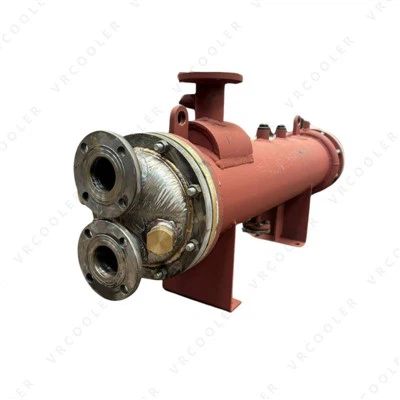
As a supplier in the field of thermal generator cooling, I’ve witnessed firsthand the intricate relationship between our technology and the environment. Thermal generators are widely used across various industries to produce electricity, but the cooling process associated with them has significant environmental implications that we need to understand and address. Thermal Generator Cooling
Water Consumption and Depletion
One of the most prominent environmental impacts of thermal generator cooling is the substantial amount of water it consumes. Most thermal power plants rely on water for cooling purposes. They draw water from nearby sources such as rivers, lakes, or oceans. This water is used to absorb the heat generated by the thermal generator and is then discharged back into the environment.
The volume of water required for cooling is staggering. A large – scale thermal power plant can consume millions of gallons of water per day. This high demand for water can lead to water depletion in local water sources. In regions where water is already scarce, the operation of thermal power plants can exacerbate the water shortage problem. For example, in arid areas, the withdrawal of water for cooling can reduce the available water for agricultural, domestic, and ecological uses.
Moreover, the water intake process can also have a negative impact on aquatic life. When water is drawn into the cooling system, small organisms such as fish, larvae, and plankton can be sucked in and killed. This can disrupt the local aquatic ecosystem and lead to a decline in fish populations and other aquatic species.
Thermal Pollution
Another significant environmental impact is thermal pollution. After the water is used for cooling, it is discharged back into the environment at a higher temperature than when it was taken in. This increase in water temperature can have detrimental effects on the aquatic ecosystem.
Aquatic organisms are adapted to specific temperature ranges. A sudden increase in water temperature can stress these organisms, reduce their oxygen – carrying capacity, and disrupt their metabolic processes. For example, some fish species may be unable to reproduce or may migrate to more suitable habitats. In addition, the warmer water can also lead to an increase in the growth of algae, which can cause eutrophication. Eutrophication is a process where excessive nutrients in the water lead to an overgrowth of algae, which can deplete oxygen in the water and create dead zones where no aquatic life can survive.
Thermal pollution can also affect the physical and chemical properties of the water. Warmer water has a lower density, which can change the water circulation patterns in lakes and rivers. This can have a cascading effect on the entire ecosystem, including the distribution of nutrients and the movement of sediment.
Air Pollution
Although the primary focus of thermal generator cooling is on water – related impacts, there are also indirect air pollution effects. The cooling towers used in thermal power plants can release water vapor into the atmosphere. This water vapor can carry with it small amounts of chemicals and pollutants that were present in the cooling water.
In addition, the energy required to operate the cooling system, such as pumps and fans, is often generated by burning fossil fuels. This combustion process releases greenhouse gases such as carbon dioxide, methane, and nitrous oxide into the atmosphere, contributing to global warming. The operation of thermal power plants with inefficient cooling systems can also lead to increased emissions of particulate matter, sulfur dioxide, and nitrogen oxides, which can have negative health effects on humans and damage the environment.
Mitigation Strategies
As a thermal generator cooling supplier, we are committed to developing and promoting solutions that can mitigate these environmental impacts. One approach is to use dry cooling systems. Dry cooling systems use air instead of water to cool the thermal generator. This significantly reduces water consumption and eliminates the problem of thermal pollution associated with water – based cooling systems. Although dry cooling systems are more expensive to install and operate, they are a more sustainable option, especially in water – scarce regions.
Another strategy is to improve the efficiency of water – based cooling systems. This can be achieved through the use of advanced technologies such as closed – loop cooling systems. Closed – loop cooling systems recycle the water used for cooling, reducing the amount of water that needs to be withdrawn from the environment. In addition, these systems can also be equipped with filters and treatment units to remove pollutants from the cooling water before it is discharged back into the environment.
We also advocate for the use of renewable energy sources to power the cooling systems. By using solar, wind, or hydroelectric power, we can reduce the carbon footprint of the cooling process and minimize the air pollution associated with fossil fuel combustion.
Our Role as a Supplier
At our company, we understand the importance of balancing the need for electricity generation with environmental protection. We work closely with our clients to design and implement cooling solutions that are not only effective but also environmentally friendly.
We offer a range of cooling products and services, from traditional water – based cooling systems to state – of the – art dry cooling technologies. Our team of experts can assess the specific needs of each client and recommend the most suitable cooling solution based on factors such as the location of the power plant, the availability of water, and the environmental regulations in the area.

We also provide ongoing support and maintenance for our cooling systems to ensure their optimal performance. This includes regular inspections, cleaning, and repairs to prevent any potential environmental impacts.
Contact Us for Sustainable Cooling Solutions
Ingersoll Rand Compressor Cooler If you are in the market for thermal generator cooling solutions, we invite you to contact us. We are dedicated to providing high – quality, environmentally friendly cooling products and services. Our team of professionals can work with you to develop a customized cooling solution that meets your specific requirements while minimizing the environmental impact. Whether you are a large – scale power plant operator or a small – scale industrial user, we have the expertise and resources to help you achieve your cooling goals in a sustainable way.
References
- Bartos, M., & Chester, M. V. (2015). Life cycle water consumption of energy technologies: a review and harmonization of literature estimates. Environmental Research Letters, 10(10), 103001.
- EPRI (Electric Power Research Institute). (2012). Water Use in Power Generation: Issues and Opportunities.
- Vassallo, I., & Pantaleo, G. (2017). Thermal pollution in water bodies: A review. Journal of Environmental Management, 199, 298 – 309.
Changzhou Vrcooler Refrigeration Co., Ltd.
Changzhou Vrcooler Refrigeration Co., Ltd. is one of the most professional thermal generator cooling manufacturers and suppliers in China, specialized in providing high quality aftermarket service. Please rest assured to buy high-grade thermal generator cooling for sale here from our factory. For price consultation, contact us.
Address: No. 18-69,Changwu Zhong Road, Wujin district, Changzhou, Jiangsu
E-mail: info@vrcooler.com
WebSite: https://www.vrcooler.com/
