As a supplier of LNG fueling stations, ensuring safety is not just a priority; it’s the cornerstone of our operations. In an industry where the slightest oversight can lead to catastrophic consequences, we’ve dedicated ourselves to implementing comprehensive safety measures that meet and exceed industry standards. This blog will delve into the multifaceted approach we take to guarantee the safety of our LNG fueling stations. LNG Fueling Station

Understanding the Risks
Before we can address safety, it’s crucial to understand the potential risks associated with LNG. LNG, or liquefied natural gas, is natural gas that has been cooled to approximately -162°C (-260°F), at which point it becomes a liquid. While LNG is generally considered a cleaner and safer alternative to other fossil fuels, it still presents several risks.
One of the primary risks is the potential for cryogenic burns. The extremely low temperature of LNG can cause severe damage to human tissue upon contact. Additionally, LNG is flammable, and if it were to leak and vaporize, it could form a flammable cloud. If this cloud were to come into contact with an ignition source, it could result in a fire or explosion.
Facility Design and Construction
The design and construction of an LNG fueling station are critical factors in ensuring safety. Our stations are designed with multiple layers of protection to prevent and mitigate potential hazards.
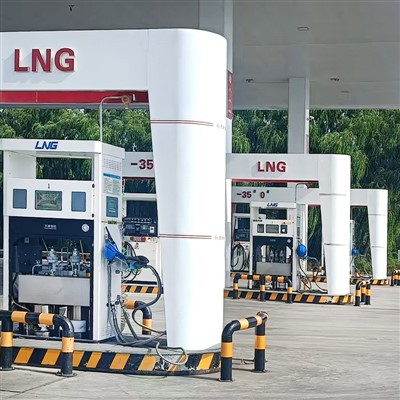
First and foremost, our fueling stations are built with robust containment systems. These systems are designed to prevent LNG from leaking in the event of an accident or equipment failure. The storage tanks are made of high – strength materials that can withstand the extreme cold and pressure associated with LNG. They are also equipped with secondary containment systems, such as dikes or berms, which can contain any potential spills.
In addition to the storage tanks, the fueling dispensers are also designed with safety in mind. They are equipped with emergency shut – off valves that can be activated in case of a leak or other emergency. These valves are designed to quickly stop the flow of LNG, minimizing the risk of a large – scale spill.
The layout of the fueling station is also carefully planned. There are clear separation distances between different components of the station, such as the storage tanks, dispensers, and customer areas. This helps to prevent the spread of fire or other hazards in the event of an incident.
Safety Equipment and Monitoring
We install a wide range of safety equipment at our LNG fueling stations to detect and respond to potential hazards. Gas detectors are strategically placed throughout the station to monitor for the presence of LNG vapors. These detectors are highly sensitive and can quickly alert operators if there is a leak.
In addition to gas detectors, we also have fire suppression systems in place. These systems include sprinklers, foam systems, and dry chemical extinguishers. They are designed to quickly extinguish fires and prevent them from spreading.
We also use advanced monitoring systems to keep track of the station’s operations. These systems can monitor parameters such as temperature, pressure, and flow rate in real – time. If any of these parameters deviate from normal levels, the system can send an alert to the operators, allowing them to take immediate action.
Employee Training
Our employees are our first line of defense when it comes to safety. That’s why we provide comprehensive training to all of our staff members. Our training programs cover a wide range of topics, including LNG safety, emergency response procedures, and equipment operation.
All employees are required to undergo regular safety training to ensure that they are up – to – date on the latest safety protocols. We also conduct regular drills and simulations to test our employees’ ability to respond to emergencies. These drills help to ensure that our employees are prepared to handle any situation that may arise.
Regulatory Compliance
We are committed to complying with all relevant safety regulations and standards. Our LNG fueling stations are designed and operated in accordance with national and international safety codes, such as the NFPA 59A standard in the United States.
We work closely with regulatory authorities to ensure that our stations meet all safety requirements. We also conduct regular safety audits and inspections to identify and address any potential safety issues. By staying in compliance with regulations, we can ensure that our LNG fueling stations are safe for both our employees and our customers.
Emergency Response Planning
Despite our best efforts to prevent accidents, emergencies can still occur. That’s why we have a comprehensive emergency response plan in place. Our emergency response plan outlines the steps that should be taken in the event of a fire, spill, or other emergency.
The plan includes procedures for evacuating the station, notifying emergency responders, and containing and cleaning up any spills. We also have a trained emergency response team that is on standby 24/7 to respond to any incidents.
In addition to our internal emergency response plan, we also work closely with local emergency responders. We provide them with training and information about our LNG fueling stations so that they are better prepared to respond to any emergencies.
Continuous Improvement
Safety is an ongoing process, and we are constantly looking for ways to improve our safety measures. We regularly review our safety procedures and equipment to identify any areas for improvement. We also stay up – to – date on the latest safety technologies and best practices in the industry.
We encourage our employees to provide feedback on our safety programs and to suggest any improvements. By involving our employees in the safety process, we can ensure that our safety measures are effective and relevant.
Conclusion
Ensuring the safety of our LNG fueling stations is a complex and ongoing process. It requires a comprehensive approach that includes facility design, safety equipment, employee training, regulatory compliance, emergency response planning, and continuous improvement.
As a supplier of LNG fueling stations, we are committed to providing our customers with the highest level of safety. We believe that by implementing these safety measures, we can not only protect our employees and customers but also contribute to the overall safety and sustainability of the LNG industry.
Hydrogen Fueling Station If you are interested in learning more about our LNG fueling stations or are considering a purchase, we invite you to reach out to us. Our team of experts is ready to discuss your specific needs and provide you with a customized solution.
References
- National Fire Protection Association. (2021). NFPA 59A: Standard for the Production, Storage, and Handling of Liquefied Natural Gas (LNG).
- International Association of Oil & Gas Producers. (2019). Guidelines for LNG Safety.
- U.S. Department of Transportation. (2020). Pipeline and Hazardous Materials Safety Administration Regulations for LNG.
Tianjin Baiyan Technology Co., Ltd.
With abundant experience, we are one of the most professional lng fueling station manufacturers and suppliers in China. We warmly welcome you to buy customized lng fueling station made in China here from our factory. If you have any enquiry about pricelist and quotation, please feel free to email us.
Address: No. 36, Jixian Road, Shuangqiaohe Development Zone, Jinnan District, Tianjin, China
E-mail: sales@tjbaiyan.com
WebSite: https://www.baiyan-tech.com/
