If you’ve ever worked on furniture assembly, window framing, or even electronic device casing, you’ve probably seen those thin, rigid strips that line sharp edges—you know, the ones that stop splinters, protect wires, and give a clean, finished look. As a supplier of ABS insulating edge strips, I get questions all the time: how tough are these things? Will they hold up when doors slam, when tools scrape them, or when they’re dragged across rough surfaces? Today, I’m breaking down the wear resistance of our ABS edge strips, what actually affects how long they last, and why that matters for your projects. ABS Insulating Edge Strips
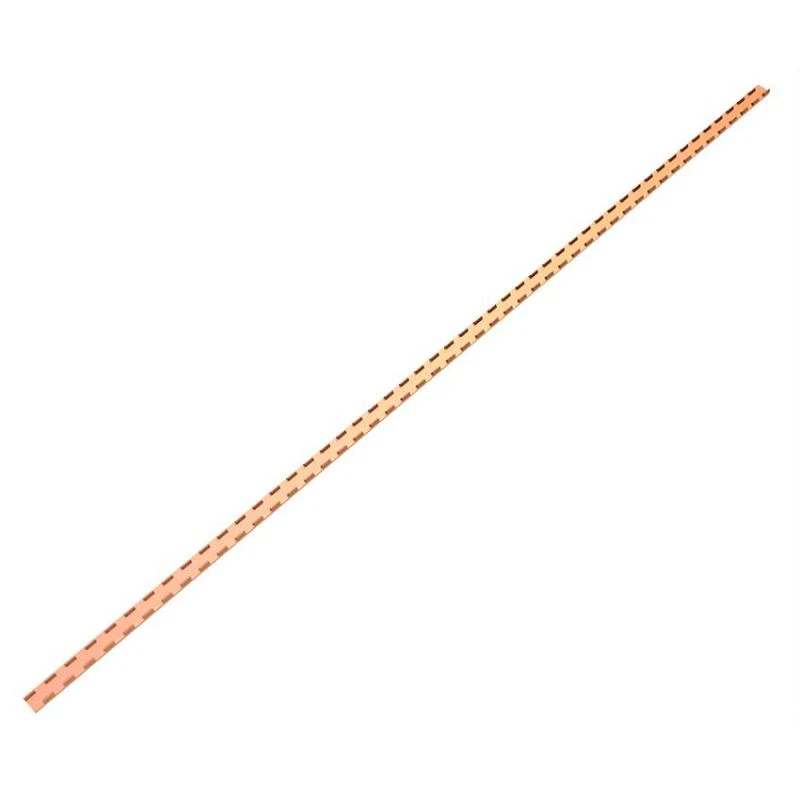
First, let’s keep this real—wear resistance isn’t a one-size-fits-all number. If you’re using edge strips on a kid’s toy box that’ll get dropped and banged around, that’s way different than edge strips on a commercial fridge door that’ll take daily pulls and smudges. For our ABS strips, wear resistance boils down to how well the material can resist abrasion, impact, and minor friction without chipping, scuffing, or peeling. ABS, or Acrylonitrile Butadiene Styrene, is a common thermoplastic, but not all ABS is the same—something I see a lot of buyers overlook at first.
Let’s start with the basics of how ABS is made for edge strips. We mix three core components: acrylonitrile for rigidity, butadiene for impact resistance, and styrene for surface hardness. Tweaking the ratio changes everything. Most of our standard edge strips use a 20% butadiene blend—enough to handle a few knocks, but not so much that the surface gets soft and scuffs easily. For high-traffic applications, we up the styrene content a bit, which makes the surface harder and more wear-resistant, and add a tiny amount of UV stabilizer if the project’s going outdoors, since sunlight breaks down most plastics over time.
Now, let’s talk actual wear tests—because numbers don’t lie. We use the Taber Abraser test, the go-to for measuring plastic wear, right? For those who don’t know, the Taber test uses a weighted abrasive wheel to spin against the sample, and we measure how much material wears off after a set number of cycles. Our standard edge strips clock in at about 80 mg of mass loss after 1,000 Taber cycles. Compare that to, say, PVC edge strips, which are around 120 mg for the same test, or polycarbonate, which is closer to 40 mg, but polycarbonate’s way more expensive and harder to work with for thin edge strips. For most uses, 80 mg is more than enough—you’re not going to see scuffs or wear after normal use. Our heavy-duty edge strips? Those hit 55 mg of mass loss for the same test, so they’re noticeably tougher for things like commercial cabinet edges or appliance panels that take daily abuse.
But here’s the catch: wear resistance only matters if the edge strip is installed right. I’ve seen too many installs where people just glue the strip on with any old adhesive, or cut it too short, and then the edges peel off within a month. Our edge strips are made with a pressure-sensitive adhesive (PSA) backing that’s designed to bond to wood, metal, plastic, and even painted surfaces, but you still need to prep the surface—wipe it down with alcohol to remove dust and grease, wait for it to dry, and apply firm pressure for at least 10 seconds per inch. Skip that, and even the toughest ABS strip will come loose at the first scratch.
Another big factor is what the edge strip is exposed to. If it’s indoors on a cabinet edge that only gets opened and closed a few times a day? Our standard ABS will last for years, no problem. If it’s outdoors on a patio furniture frame, exposed to rain, sun, and dirt? You’ll want the UV-stabilized version. Even then, you might see slight fading over time, but the wear resistance stays way higher than, say, a polystyrene strip, which would get brittle and crack after a year outside. We also make a matte finish edge strip for things like office desks— that’s a bit softer than our glossy finish, so it scuffs a tiny easier (mass loss around 95 mg), but it’s perfect for places where fingerprints and minor scratches aren’t a big deal.
Wait, let’s talk about common myths, because I hear them all the time. First myth: thicker edge strips are always more wear-resistant. Not true. Thickness plays a role, but the material blend is way bigger. A 1mm thick heavy-duty ABS strip is way tougher than a 2mm thick standard ABS strip, because we formulated the heavy-duty blend to be harder and more resistant to abrasion. Another myth: ABS is brittle, so it’ll break if you drop something on it. No— the butadiene in ABS gives it impact resistance. We tested dropping a 2lb weight from 3 feet onto our 1.5mm edge strip, and it didn’t chip or crack at all. That’s a big deal for things like garage cabinets, where tools get knocked against the edges.
What about real-world examples to make this concrete? Last year, we supplied edge strips to a company making classroom desks. The desks get dragged across concrete floors, have backpacks banged against them, and get sticky juice spilled on them daily. They went with our standard ABS strips, and after 18 months, only 2% of the strips had any noticeable scuffs or wear—mostly on the edges where they were cut. For a commercial fridge brand we work with, they use our heavy-duty glossy strips on the door edges, and their warranty team reported zero edge wear claims in two years of service. That’s exactly the kind of wear resistance our customers care about.
Now, what if you’re worried about edge strips that wear too fast? There are a few signs to look for. If your strip is chipping instead of scuffing, that means the blend is too rigid—maybe too much styrene, not enough butadiene. If it’s peeling off, that’s installation, not material quality. If it’s getting scratched super easily, you might have picked the wrong finish—matte is softer than glossy, for example. That’s why when customers reach out to us, we ask a bunch of questions: where are you installing the strips? What kind of use will they get? Indoors or out? That way, we can point them to the right strip for their needs.
Let’s circle back to why this matters, since I’m a supplier, not just a random expert. Your edge strips are the first thing people notice about a finished product. Scuffed, peeling edge strips make furniture or electronics look cheap, even if the inside is high quality. The good thing about ABS is it’s versatile enough to adjust for different wear needs without breaking the bank. Unlike other materials, you don’t have to pay a premium for heavy-duty options—our standard strip is already way more durable than PVC for most uses, and our heavy-duty is only a small extra cost, worth it for high-traffic areas.
At the end of the day, the wear resistance of our ABS insulating edge strips is a balance between toughness, cost, and what your project actually needs. It’s not the highest on the market, but it’s more than enough for 90% of furniture, appliance, and construction projects. If you’re not sure which strip is right for you—whether you need something for a kid’s dresser, a commercial office desk, or an outdoor window frame—hit us up to chat. We can walk through your project, explain the wear specs, and help you pick the perfect strip so you don’t have to deal with scuffed edges down the line. We don’t just sell edge strips—we make sure they work for your needs.
ABS Insulating Edge Strips References:
- ASTM D1044, Standard Test Method for Abrasion Resistance of Transparent Plastics and Coatings Using the Taber Abraser
- Brydson, J. A. (1999). Plastics Materials (7th ed.). Butterworth-Heinemann
- ABS Edge Strips: Material Properties and Application Guidelines. Industrial Plastics Journal, 2022
- Taber Industries. (2023). Taber Abraser Test Standards for Thermoplastic Materials
AATI Cathode Co., Ltd.
AATI Cathode Co., Ltd. is one of the leading abs insulating edge strips manufacturers and suppliers in China. We warmly welcome you to buy high-grade abs insulating edge strips made in China here from our factory. All customized products are with high quality and competitive price. Contact us for free sample.
Address: NO. 1, ZHENXING ROAD, BAOJI CITY, SHAANXI, CHINA
E-mail: ivy@bjaati.com
WebSite: https://www.bjcathode.com/
