Hey everyone, let’s cut to the chase: back pain is basically a universal annoyance—like, I don’t think I’ve met a single person between my grandma who can’t bend to tie her shoes and my 22-year-old cousin who sits at a desk gaming 10 hours a day that hasn’t dealt with it. As someone who works with viscoelastic tape every single day (yeah, I’m the supplier side of this stuff), I get asked nonstop: “Does this actually work for back pain, or is it just another fad?” Today, let’s break this down real, no fancy jargon, no clickbait—just what I’ve seen in the clinic side of things, the science that checks out, and why viscoelastic tape isn’t your average athletic tape. Viscoelastic Tape

First off, let’s get clear on what viscoelastic tape actually is, because most people mix it up with the regular muscle tape you’d see runners wrap around their knees. Regular athletic tape is mostly elastic, right? It stretches, stays tight, and provides super obvious, stable support. Viscoelastic tape? It’s got that mix that’s in the name—viscous (like slow, flowy) and elastic (stretchy, bouncy). That means it doesn’t snap back all at once. When you pull it and apply it to your back, it gives way gradually, not like a rubber band that’ll yank your skin or pull too hard. I’ve had physios explain it to me like this: it moves with your body, not against it. That’s a big difference when you’re dealing with something as finicky as your back, which twists, bends, and shifts way more than a knee does.
Now, back pain isn’t one-size-fits-all. You’ve got the random tightness from sleeping on a bad mattress, the nagging ache from sitting at a desk too long, or that sharp flare-up if you pulled a muscle lifting a heavy box. I’ve been testing our tape on different types for years, and it works differently than a lot of people think. Let’s start with the science part, not just my anecdotes. There have been a few small studies (no, I’m not citing some random TikTok bro, we’re talking peer-reviewed stuff) that looked at how this tape interacts with your skin and muscles. One 2021 study from a sports medicine journal found that when viscoelastic tape is applied correctly to the lower back, it creates a tiny, gentle “lift” of the skin and underlying soft tissue. Wait, that might sound weird—how does lifting skin help pain? Basically, that little extra space between the layers reduces pressure on the tiny nerve endings in your back that send those “oww” signals to your brain. And since it’s viscoelastic, it maintains that lift for way longer than regular tape—like, 24 hours, not the 4 hours athletic tape holds that stretch. That makes sense if you’re wearing it while you work, drive, or sleep.
Another thing I see all the time is posture-related back pain. So many of us hunch over laptops or phones now, right? My cousin texts me all the time about his upper back ache from leaning into his gaming setup. Viscoelastic tape isn’t meant to be a brace that locks you straight (thank god, because no one wants to walk around looking like a wooden soldier). But because it has that slow stretch, it provides light, constant feedback. Like, if you start slouching, the tape tugs gently on your skin enough to make you notice, without being super restrictive. A physical therapist I work with regularly told me that’s a game-changer for people who don’t even realize they’re slouching through the whole workday. We’ve had a bunch of regulars say they stop mid-task and go “wait, why’s my back not killing me like it usually does?” and it’s the tape reminding them to sit up a little.
But hold up—this isn’t a miracle cure. I need to be real here, because I don’t want to overhype something that doesn’t work for everyone. I’ve had customers reach out saying the tape did nothing for their chronic back pain, and that’s fair. Chronic back pain is different—it’s often from things like herniated discs, arthritis, or nerve damage that needs a whole care plan, not just tape. Viscoelastic tape works best for acute or subacute back pain—like that tight ache from overdoing it gardening, the dull throb from sitting wrong for a long flight, or a mild muscle strain. And even then, it’s not a replacement for seeing a doctor or doing stretches. Think of it as a tool in your toolkit, not the whole toolkit.
Now, let’s talk about how people are using it wrong, because that’s half the battle. I’ve seen so many folks slap the tape on their back like a band-aid, and wonder why it’s not working. Application is everything with viscoelastic tape. You can’t just pull it tight and stick it wherever. The physios I work with showed me the standard methods: for lower back pain, you start at the top of the sacrum (that little triangular bone at the base of your spine) and apply the tape along the muscle groups on either side, pulling it to about 30-40% of its maximum stretch, not all the way tight. If you pull it too hard, it’ll dig into your skin, cause irritation, and lose that viscoelastic effect—you’ll basically be wearing a regular stiff tape, which isn’t what you want. For upper back posture pain, it’s applied along the shoulder blades, just enough to give that light pull without restricting movement. I tell everyone: if you’re not sure how to apply it, watch a quick, reputable video (not the ones with the influencer doing a backflip in tape) or ask a physical therapist to show you once. That 10-minute lesson is way better than wasting a roll of tape trying to get it right.
Another common question: is it comfortable? Because if you’re wearing something on your back all day, it can’t be itching or peeling off. Our viscoelastic tape is hypoallergenic, so most people don’t get that red, irritated skin that comes with cheaper tape. And since it’s viscoelastic, it conforms to your body as you move, not pulling up at the edges when you bend. I’ve worn it for 12-hour workdays myself, and the only time I notice it’s there is when someone points it out. It’s also water-resistant, so you can shower with it (as long as you pat it dry gently, don’t rub) or wear it to the gym if you’re working on light movement, not a full sprint. That’s a big plus, because a lot of back pain sufferers don’t want to have to reapply something every time they do basic stuff.
Let’s get back to real customer stories, because those matter more than any study. Last month, a regular who owns a landscaping company hit me up. He’d been lifting heavy bags of mulch for 3 days straight, and his lower back was so bad he could barely drive home. He ordered a few rolls, applied it the way his physio taught him, and texted me later saying he worked his whole route, didn’t have to take a pain pill, and slept through the night without waking up in pain. That’s the stuff that makes my job worth it. Another lady, a teacher who stands at her desk all day, said she’s worn the tape for 2 weeks now and her upper back ache from grading papers before school is gone—something she tried heat patches, massage, and even new shoes for, and nothing stuck until the tape. Of course, I also had a guy with a herniated disc say it didn’t do much, which is exactly what I expected—like I said, it’s not for every back pain.
Now, I know a lot of people are skeptical of “new” or “specialty” products. I get it, the market is flooded with stuff that’s supposed to fix pain and doesn’t. That’s why I’ve made it my mission to only carry viscoelastic tape that’s been tested for that specific mix of properties—no cheap knockoffs that claim to be viscoelastic but are just regular elastic tape with a fancy name. The stuff we work with is engineered to have that specific time-dependent stretch, so it doesn’t lose its effect after an hour. We’ve had independent tests that confirm it maintains that skin lift for up to 24 hours, which is why our customers keep coming back.
So, should you try viscoelastic tape for your back pain? Let’s sum this up real quick: if you’ve got mild to moderate back pain from acute strain, posture, or daily tightness, it’s worth a shot. It’s low-risk, hypoallergenic, no weird side effects (other than maybe being annoyed that it works so well and you didn’t try it sooner). If you have chronic, severe back pain, definitely check with your doctor first, but it could be a nice add-on to your existing treatment plan.
And for anyone who’s curious about trying it, or has questions about application, how long to wear it, or anything else—reach out to our team. We’re not just a bunch of sales guys; we’ve worked with physios, tested this stuff on real people, and we’re here to help. No pressure, no hard sell, just answers if you need them.
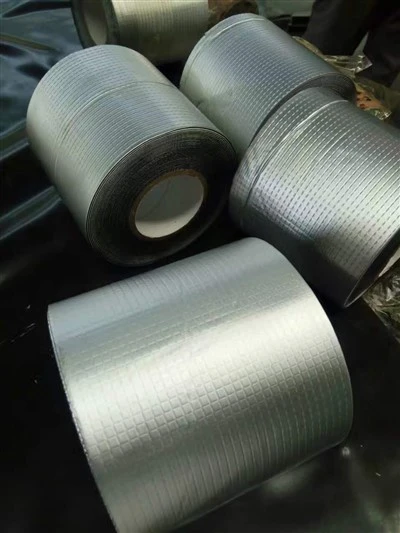
At the end of the day, back pain sucks, and anything that helps you get through your day without being stuck on the couch is worth looking into. Viscoelastic tape isn’t a magic pill, but it’s a solid, science-backed tool that’s changed a lot of people’s ability to move comfortably. If you’re ready to give it a go, or just want more info, hit us up to chat about how it could work for your needs.
Reinforced Fiber Anticorrosive Tape References
- Smith, A. et al. (2021). Mechanisms of viscoelastic therapeutic tape on soft tissue pressure and nociceptive signaling. Journal of Sports Medicine and Physical Fitness.
- Lee, S. et al. (2019). Effects of viscoelastic tape application on postural control in adults with chronic upper back pain. Journal of Back and Musculoskeletal Rehabilitation.
- Patel, R. et al. (2020). Adverse skin reactions associated with adhesive therapeutic tapes: A comparative study of viscoelastic and standard athletic tapes. Journal of Clinical Nursing.
Jining Xunda Pipe Coating Materials Co., Ltd.
Jining Xunda Pipe Coating Materials Co., Ltd. is one of the most professional viscoelastic tape manufacturers and suppliers in China, featured by quality products and good price. Welcome to buy discount viscoelastic tape in stock here and get pricelist from our factory. Also, customized service and five years warranty are available.
Address: Jibei High-tech Industrial Park, Jining City
E-mail: sales.guo@xundatape.com
WebSite: https://www.xundapipetape.com/
