You know, I’ve been in the spring steel sheet and plate business for quite a while now. And one of the industries that we supply a lot to is the railway industry. It’s a fascinating sector with some really strict requirements that our products need to meet. So, I thought I’d share a bit about what the railway industry looks for in spring steel sheets or plates. Spring Steel Sheet or Plate
Strength and Durability
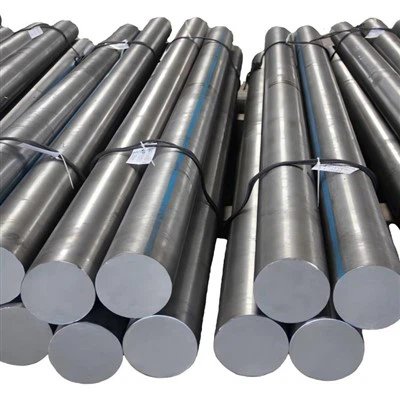
First off, strength and durability are like the golden rules in the railway game. The steel sheets and plates we supply have to be tough as nails. You see, trains are massive, heavy beasts, and the parts made from our spring steel have to bear a ton of weight day in and day out. Whether it’s in the suspension systems, where the steel needs to absorb the shocks and vibrations from the tracks, or in the couplings that connect the train cars, strength is non – negotiable.
We’re talking about high – tensile strength here. The steel has to be able to withstand high levels of stress without deforming or breaking. This means that during the manufacturing process, we use special heat treatments and alloying techniques. We add elements like manganese, silicon, and chromium to the steel. These alloys help to increase the strength and hardness of the steel. And the heat treatments, well, they’re like a secret sauce. They make the steel more resistant to wear and tear, which is super important considering the harsh operating conditions in the railway industry.
Fatigue Resistance
Another biggie is fatigue resistance. Trains run for long hours, covering thousands of miles. The steel parts are constantly being subjected to repeated stress and strain. Over time, this can cause fatigue, which might lead to cracks and failures. So, our spring steel sheets and plates need to be designed in a way that they can handle this repeated stress.
We do a lot of testing to make sure our products have good fatigue resistance. We use machines that simulate the real – world conditions that the steel will face in the railway. By subjecting the samples to thousands of cycles of stress, we can see how well they hold up. If there are any signs of early fatigue, we go back to the drawing board and adjust our manufacturing process. Maybe we tweak the alloy composition a bit or change the heat treatment parameters.
Corrosion Resistance
Corrosion is the enemy in the railway industry. Trains operate in all kinds of weather conditions, from hot and humid summers to cold and wet winters. The steel parts are exposed to moisture, salt (especially in coastal areas or where de – icing salts are used on the tracks), and other corrosive substances. If the steel corrodes, it can weaken the parts and compromise the safety of the train.
That’s why we make sure our spring steel sheets and plates have good corrosion resistance. We coat them with special anti – corrosion coatings. These coatings act as a barrier between the steel and the corrosive environment. There are different types of coatings we can use, like zinc coatings or organic coatings. The choice depends on the specific application and the environment where the steel will be used. And we also keep an eye on the research in this area. New and better anti – corrosion technologies are always coming out, and we’re quick to adopt them to keep our products top – notch.
Accuracy and Precision
In the railway industry, accuracy and precision are crucial. Every part has to fit together perfectly. The spring steel sheets and plates we supply need to have precise dimensions. Even a small deviation can cause problems. For example, if the steel plates used in the construction of train cars are not the right size, it can affect the assembly process and the overall structural integrity of the car.
We use state – of – the – art manufacturing equipment to ensure accuracy. Our cutting and shaping machines are programmed to very tight tolerances. We also have quality control teams that check the dimensions of every piece of steel before it leaves our factory. If a part doesn’t meet the required specifications, we don’t send it out. It’s as simple as that.
Formability
Spring steel needs to be formable. In the railway industry, there are all sorts of parts that need to be made from the steel sheets or plates, and they come in different shapes and sizes. We need to be able to bend, shape, and mold the steel into the required forms without it cracking or losing its properties.
This formability is achieved through careful control of the steel’s microstructure. We use processes like cold rolling and annealing to get the right balance of strength and formability. Cold rolling can increase the strength of the steel while also improving its surface finish. Annealing, on the other hand, helps to relieve the internal stresses in the steel and makes it more ductile, which is important for forming operations.
Quality Certification
The railway industry has strict quality standards. They want to make sure that the products they’re using are safe and reliable. That’s why we make sure our spring steel sheets and plates are certified to meet relevant international standards. For example, we have certifications like ISO 9001 for quality management systems. This shows that we have a well – organized and controlled manufacturing process.
We also get our products tested by independent third – party laboratories. These labs check the steel for various properties like strength, hardness, and corrosion resistance. Once the products pass these tests, we get the necessary certificates. This gives our customers in the railway industry the confidence that our products are up to the mark.
Cost – effectiveness
Now, I know cost is always a concern in any industry, and the railway industry is no exception. Our customers are always looking for high – quality products at a reasonable price. We understand this, and we work hard to keep our costs down without sacrificing quality.
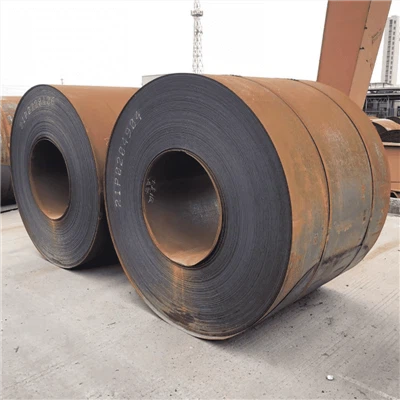
We have optimized our production processes to increase efficiency. By streamlining our operations, we can reduce waste and save on production costs. We also have good relationships with our suppliers, which allows us to get the raw materials at a competitive price. This way, we can offer our spring steel sheets and plates at a price that makes sense for our railway customers.
Inconel Wire If you’re in the railway industry and are looking for high – quality spring steel sheets or plates that meet these requirements, we’d love to talk to you. We’ve got the experience, the technology, and the commitment to provide you with the best products. Whether you need a small batch for a prototype or a large order for regular production, we’re here to help. So, get in touch with us to start discussing your procurement needs.
References
- ASME Boiler and Pressure Vessel Code
- ASTM International standards on steel materials
- Railway industry technical manuals and specifications
Jiangsu Cunrui Metal Products Co., Ltd.
As one of the most experienced spring steel sheet or plate manufacturers in China, we also support customized service. Please rest assured to buy cheap spring steel sheet or plate for sale here from our factory. If you have any enquiry about pricelist and free sample, please feel free to email us.
Address: 32-117,119, Nanfang Stalnless Steel Trading Conter, Wuxi,Jiangsu, China
E-mail: karen@cunruimetal.com
WebSite: https://www.cunruimetals.com/
