Can a plunger pump be used for pumping abrasive fluids? That’s a question I get asked a lot as a plunger pump supplier. And let me tell you, it’s not a straightforward yes or no answer. There are a bunch of factors we need to consider. Plunger Pump
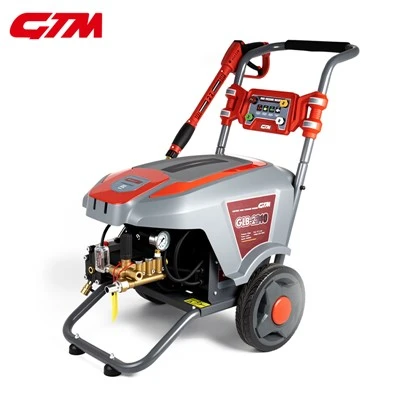
First off, let’s talk about what a plunger pump is. A plunger pump is a type of positive – displacement pump. It works by using a plunger that moves back and forth inside a cylinder. As the plunger moves in one direction, it creates a vaccum that draws the fluid into the cylinder. Then, when it moves the other way, it pushes the fluid out under pressure.
Now, abrasive fluids are a whole different ballgame. Abrasive fluids contain particles that can wear down the equipment over time. Things like sand, gravel, or even some industrial slurries fall into this category. The wear caused by these abrasives can lead to leaks, reduced efficiency, and eventually, the failure of the pump.
So, can a plunger pump handle abrasive fluids? Well, the short answer is it depends.
Let’s look at the pros first. One of the big advantages of a plunger pump is its ability to generate high pressures. This is crucial when you’re dealing with abrasive fluids because sometimes, you need that extra pressure to move the fluid through pipelines or into other parts of a system. Also, plunger pumps are generally very durable and can withstand a fair amount of stress. They’re built with strong materials and have a relatively simple design, which means they can be more resistant to mechanical failures compared to some other types of pumps.
But there are also some cons. The main issue is the wear. The abrasive particles in the fluid can damage the plunger, the cylinder walls, and the seals. Over time, this wear can cause the pump to lose its efficiency. As the parts wear down, there will be more leakage, which means the pump will have to work harder to move the same amount of fluid. This not only increases energy consumption but also shortens the lifespan of the pump.
To maximize the use of a plunger pump with abrasive fluids, we need to take some precautions.
Material selection is key. For the plunger, we’d often recommend using hard – wearing materials like ceramics or special alloys. Ceramics are incredibly hard and resistant to abrasion. They can maintain their shape and performance even when in contact with abrasive particles. Special alloys are also a great choice because they can be engineered to have high resistance to both abrasion and corrosion.
The cylinder walls are another critical part. We can use materials with a high hardness and smooth finish. A smooth surface reduces the friction between the plunger and the cylinder, which in turn minimizes the wear caused by the abrasive particles. Additionally, we can apply special coatings to the cylinder walls. These coatings can further enhance the abrasion resistance and reduce the adhesion of the abrasive particles.
Seals are also very important. We need to use seals made from materials that can withstand the abrasive action of the fluid. Rubber seals might not be the best option for highly abrasive fluids. Instead, we can opt for seals made from materials like PTFE (polytetrafluoroethylene) or other advanced polymers. These materials have good chemical resistance and can handle a certain amount of abrasion.
Another thing we can do is to install a filtration system before the pump. This helps to remove the larger abrasive particles from the fluid before it enters the pump. By reducing the size and quantity of the particles, we can significantly reduce the wear on the pump components. A well – designed filtration system can extend the life of the pump by a great deal.
Regular maintenance is also essential. We need to monitor the pump regularly to check for signs of wear. This includes checking the pressure and flow rate, listening for any unusual noises, and inspecting the pump components. If we detect any signs of wear early on, we can replace the worn – out parts before they cause a major problem.
In some industries, like mining and construction, plunger pumps are commonly used for pumping abrasive fluids. In mining, they’re used to move slurries that contain a large amount of minerals and rock particles. In construction, they can be used to pump concrete or other abrasive building materials. In these settings, the pumps are often customized to meet the specific requirements of the job.
However, in other industries, like food and beverage or pharmaceuticals, the use of plunger pumps for abrasive fluids might be less common. In these industries, there are strict regulations regarding hygiene and product purity. Even though we can take steps to minimize wear and contamination when pumping abrasive fluids, the risk might still be too high for some applications.
In conclusion, a plunger pump can be used for pumping abrasive fluids, but it comes with its challenges. With the right materials, proper maintenance, and additional equipment like filtration systems, we can make it work effectively. But before deciding to use a plunger pump for your abrasive fluid pumping needs, you’ll need to carefully assess your specific requirements.
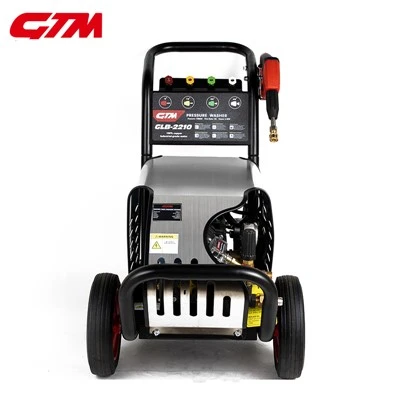
If you’re in the market for a plunger pump for pumping abrasive fluids or just want to learn more about our products, I’d love to talk to you. Feel free to reach out for a detailed discussion. We can work together to find the best solution for your situation.
High Pressure Washer Gun References:
- Perry’s Chemical Engineers’ Handbook
- Pump Handbook by Igor J. Karassik
Zhejiang GTM Hi-Tech Intelligent Equipment Co., Ltd.
As one of the most professional plunger pump manufacturers and suppliers in China, we also support customized service. With abundant experience, we warmly welcome you to buy discount plunger pump for sale here from our factory. For price consultation, contact us.
Address: No.5 of Changjiang Road, 2nd Economic Development Zone of Wenling, Zhejiang, China
E-mail: yehuanting1@hongyemfg.com
WebSite: https://www.gtm-plungerpump.com/
