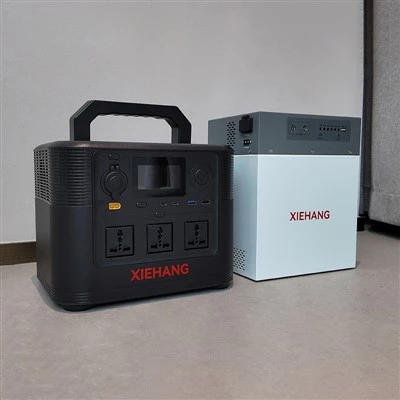
As a provider of PV – Storage & EV Charging All – in – One Systems, I often get asked about how our system communicates with electric vehicles (EVs) during the charging process. In this blog, I’ll delve into the technical details of this communication, explaining the protocols, components, and benefits involved. PV-Storage & EV Charging All-in-One System
The Basics of the PV – Storage & EV Charging All – in – One System
First, let’s clarify what our PV – Storage & EV Charging All – in – One System is. It integrates photovoltaic (PV) panels, energy storage units (such as batteries), and EV chargers into a single, intelligent system. This integration allows for the efficient use of solar energy, storage of excess power, and charging of EVs using the most cost – effective and sustainable energy sources available.
Communication Protocols
One of the key aspects of the interaction between the system and the EV is the communication protocol. Different standards have been developed to ensure seamless communication. The most widely used protocol in the EV charging world is the ISO 15118.
ISO 15118 is a global standard that defines the communication between an EV and the charging station. It enables bidirectional communication, allowing the charging station (in our case, part of the all – in – one system) to exchange information with the EV. This information can include the EV’s battery status, the maximum charging power it can accept, and its charging preferences.
For example, when an EV is plugged into our charging station, the ISO 15118 protocol allows the station to identify the vehicle. The EV then sends data about its battery’s state of charge (SOC). Based on this information, the charging station can adjust the charging rate. If the battery is almost full, the station can reduce the charging power to avoid overcharging.
Another important protocol is the Open Charge Point Protocol (OCPP). While ISO 15118 focuses on the communication between the EV and the charger, OCPP is used for the communication between the charging station and the back – end management system. Our all – in – one system takes advantage of OCPP to manage multiple charging stations, monitor energy consumption, and handle payment transactions. This protocol allows us to offer features such as remote monitoring and control, which is crucial for efficient operation of the entire PV – Storage & EV Charging All – in – One System.
Components Involved in Communication
Several components within our all – in – one system play a role in communicating with the EV.
Charging Station
The charging station acts as the interface between the system and the EV. It is equipped with communication modules that support the relevant protocols. For instance, it has an ISO 15118 communication unit that can establish a connection with the EV’s on – board communication system as soon as the vehicle is plugged in. This unit is responsible for sending and receiving data packets according to the defined protocol rules.
The charging station also has a processor that interprets the received data. For example, if the EV sends a message indicating that it can accept a maximum charging power of 50 kW, the processor in the charging station will adjust the output power accordingly.
Energy Management System (EMS)
Our all – in – one system is not just about charging the EV; it also manages the overall energy flow. The EMS plays a critical role in this process. It communicates with the charging station to optimize the use of energy. For example, if there is excess solar energy stored in the battery, the EMS can instruct the charging station to use this stored energy to charge the EV instead of drawing power from the grid.
The EMS also takes into account other factors such as the time – of – use electricity rates. If the electricity rate is high during peak hours, the EMS can delay the charging of the EV until off – peak hours when the rate is lower. To do this, the EMS needs to communicate with the charging station to control the charging start and stop times.
PV Panels and Energy Storage Units
The PV panels and energy storage units are also part of the communication loop. The PV panels generate electricity, and the energy storage units store the excess power. The EMS communicates with these components to monitor the energy production and storage levels. If the PV panels are producing more energy than the system can currently use, the EMS can direct the excess energy to the battery for storage. When the EV needs to be charged, the EMS can then decide whether to use the stored energy from the battery or draw power from the grid based on the overall energy situation.
Benefits of Effective Communication
The seamless communication between our PV – Storage & EV Charging All – in – One System and the EV brings several benefits.
Energy Efficiency
By communicating with the EV to understand its charging requirements and adjusting the charging rate accordingly, we can ensure that the energy is used efficiently. For example, charging the EV at the maximum power it can accept without overcharging helps to minimize energy waste. Additionally, using the stored solar energy from the battery during the charging process reduces the reliance on the grid, further improving energy efficiency.
Cost Savings
The ability to manage the charging process based on time – of – use electricity rates and the availability of stored solar energy leads to significant cost savings for the EV owners. They can avoid charging during peak hours when the electricity rates are high and take advantage of the free or low – cost solar energy stored in the battery.
Sustainability
Our system promotes sustainability by maximizing the use of solar energy for EV charging. By reducing the consumption of grid – based electricity, which is often generated from non – renewable sources, we contribute to a lower carbon footprint. The communication between the system and the EV is essential for achieving this goal, as it allows for the efficient utilization of the available renewable energy.
Future Developments
The field of EV charging and communication is continuously evolving. In the future, we expect to see even more advanced communication features. For example, vehicle – to – grid (V2G) technology is becoming more prevalent. V2G allows the EV to not only receive energy from the charging station but also send energy back to the grid when needed. Our PV – Storage & EV Charging All – in – One System is designed to be compatible with future V2G applications, and the communication protocols will need to be further enhanced to support this two – way energy flow.
Another area of development is the integration of smart home systems. Our system can communicate with other smart home devices, such as smart thermostats and smart appliances, to optimize the overall energy consumption in a household. This requires more sophisticated communication and data exchange mechanisms.
Why Choose Our PV – Storage & EV Charging All – in – One System
If you’re in the market for an EV charging solution that combines the latest communication technology, energy efficiency, and sustainability, our PV – Storage & EV Charging All – in – One System is the ideal choice. We have a team of experienced engineers who are constantly working on improving the system’s performance and communication capabilities.
Our system is designed to be easy to install and operate. Whether you’re a residential user looking to charge your EV at home or a commercial entity planning to set up a charging station, our system can be customized to meet your specific needs.
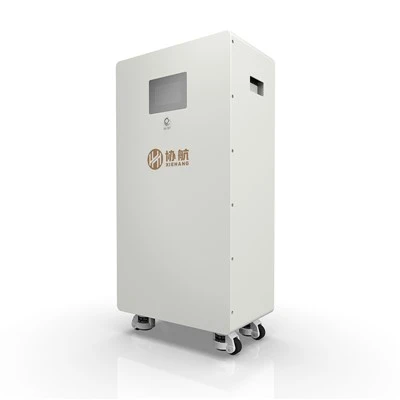
We also offer comprehensive after – sales support, including maintenance, software updates, and technical assistance. Our goal is to ensure that you have a seamless experience with our system from the moment you purchase it.
Home Battery Storage If you’re interested in our PV – Storage & EV Charging All – in – One System and would like to discuss your requirements or get a quote, please feel free to contact us. Our sales team is ready to assist you and guide you through the procurement process.
References
- ISO 15118:2014, Road vehicles — Vehicle – to – grid communication interface — General information and use case definition
- Open Charge Point Protocol (OCPP) 1.6 J Specification
Zhejiang Xiehang New Energy Equipment Co., Ltd.
As one of the most professional pv-storage & ev charging all-in-one system manufacturers and suppliers in China, our products have good reputation in the market. Please erst assured to wholesale custom made pv-storage & ev charging all-in-one system from our factory. If you have any enquiry about cooperation, please feel free to email us.
Address: No.5 Hechen Road, Zhouwangmiao Town, Haining, Jiaxing City, Zhejiang Province, China
E-mail: dan.wu@xiehang.net
WebSite: https://www.shineonpower.com/
