In the dynamic landscape of industrial operations, the choice of containers for storing and transporting various substances is a decision that can significantly impact efficiency, safety, and overall productivity. One such crucial consideration is the use of acid-resistant bottles. As a supplier of high-quality acid-resistant bottles, I’ve witnessed firsthand the diverse needs and challenges faced by industries when it comes to handling corrosive acids. In this blog post, I’ll explore the viability of using acid-resistant bottles in industrial settings, delving into their advantages, limitations, and key factors to consider. Acid-Resistant Bottle
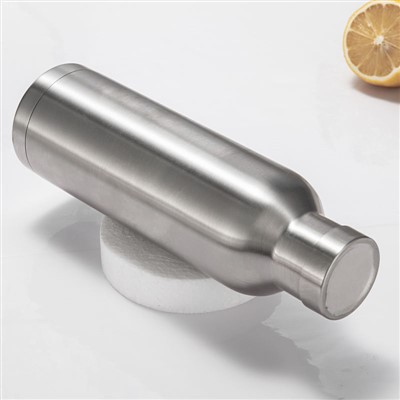
Advantages of Acid – Resistant Bottles in Industrial Settings
Chemical Resistance
The most obvious and perhaps the most important advantage of acid – resistant bottles is their ability to withstand the corrosive nature of acids. Different types of acids, such as sulfuric acid, hydrochloric acid, and nitric acid, have varying levels of corrosiveness. Acid – resistant bottles are engineered to resist the chemical attack of these acids, preventing leaks and contamination. For example, a polyethylene – based acid – resistant bottle can provide excellent resistance to a wide range of non – oxidative acids. This chemical resistance ensures that the integrity of the stored acid is maintained over an extended period, reducing the risk of accidents and product degradation.
Safety
Safety is a top priority in industrial settings. Acid – resistant bottles are designed with safety features to minimize the risk of spills and exposure. They often come with leak – proof caps and closures that prevent the accidental release of acids. Additionally, these bottles are made from materials that are less likely to shatter or break under normal handling conditions. In contrast, glass bottles, which are sometimes used for acid storage, can pose a significant safety hazard if they break, leading to acid spills and potential injuries to workers. Acid – resistant plastic bottles, on the other hand, are more durable and can withstand minor impacts without breaking.
Versatility
Acid – resistant bottles are available in a variety of sizes and shapes, making them suitable for a wide range of industrial applications. Whether you need to store small quantities of concentrated acids in a laboratory setting or large volumes for industrial manufacturing processes, there is an acid – resistant bottle to meet your needs. They can also be used for transporting acids between different locations within a factory or to external facilities. Some acid – resistant bottles are even designed to be stackable, which helps in optimizing storage space in warehouses and industrial storage areas.
Cost – Effectiveness
When compared to other types of containers for acid storage, acid – resistant bottles can be a cost – effective solution. The initial cost of purchasing acid – resistant plastic bottles is often lower than that of specialized metal or glass containers. Moreover, their long – term durability reduces the need for frequent replacements. Since they are less likely to be damaged by acids, they can be reused multiple times, further reducing the overall cost of acid storage and handling.
Limitations of Acid – Resistant Bottles
Temperature Sensitivity
One of the limitations of acid – resistant bottles is their sensitivity to temperature. Some plastics used in the manufacturing of these bottles can become brittle at low temperatures or deform at high temperatures. For example, if an acid – resistant bottle made of a certain type of plastic is exposed to extremely cold temperatures, it may crack, leading to acid leakage. On the other hand, high temperatures can cause the plastic to soften and lose its structural integrity. Therefore, it’s important to consider the temperature conditions in the industrial environment where the bottles will be used and choose a material that can withstand those temperatures.
Compatibility with Certain Acids
While acid – resistant bottles are generally designed to resist a wide range of acids, there are some highly reactive or specialized acids that may pose a challenge. For instance, hydrofluoric acid is extremely corrosive and can react with many common materials, including some plastics. In such cases, special acid – resistant bottles made from materials like Teflon may be required. It’s essential to thoroughly research the compatibility of the acid with the bottle material before use to avoid any chemical reactions that could compromise the safety and effectiveness of the storage solution.
Limited Pressure Resistance
Acid – resistant bottles are typically not designed to withstand high pressures. In industrial processes where acids are stored or transported under pressure, such as in some chemical reactors or high – pressure pipelines, these bottles may not be suitable. Specialized pressure – rated containers are required for such applications. However, for most low – pressure or atmospheric – pressure acid storage and handling scenarios in industrial settings, acid – resistant bottles are a practical choice.
Key Factors to Consider When Using Acid – Resistant Bottles in Industrial Settings
Material Selection
The choice of material for acid – resistant bottles is crucial. Different plastics, such as polyethylene, polypropylene, and polyvinyl chloride (PVC), have different levels of acid resistance. For example, high – density polyethylene (HDPE) is known for its excellent resistance to many non – oxidative acids and is commonly used in the production of acid – resistant bottles. However, it may not be suitable for storing strong oxidizing acids. It’s important to consult with a materials expert or the bottle supplier to select the most appropriate material based on the specific acid being stored and the environmental conditions.
Labeling and Identification
Proper labeling of acid – resistant bottles is essential for safety and compliance. Each bottle should be clearly labeled with the name of the acid it contains, its concentration, any hazard warnings, and handling instructions. This helps workers quickly identify the contents of the bottle and take the necessary precautions when handling it. In addition, the labels should be made from materials that are resistant to acid damage, so that they remain legible over time.
Storage Conditions
The storage conditions for acid – resistant bottles can significantly affect their performance and lifespan. Bottles should be stored in a cool, dry place away from direct sunlight and sources of heat. They should also be stored in an area that is well – ventilated to prevent the accumulation of acid vapors. Additionally, the bottles should be stored in a way that minimizes the risk of physical damage, such as stacking them in a stable manner and avoiding overcrowding.
Regulatory Compliance
Industrial use of acid – resistant bottles is subject to various regulations and standards, which aim to ensure the safety of workers and the environment. It’s important to ensure that the acid – resistant bottles used in your industrial setting comply with all relevant local, national, and international regulations. This may include regulations related to the material composition of the bottles, their labeling requirements, and their disposal procedures.
Conclusion
In conclusion, acid – resistant bottles can be a valuable asset in industrial settings, offering numerous advantages such as chemical resistance, safety, versatility, and cost – effectiveness. However, they also have limitations, including temperature sensitivity, compatibility issues with certain acids, and limited pressure resistance. By carefully considering the key factors such as material selection, labeling, storage conditions, and regulatory compliance, industries can effectively use acid – resistant bottles for their acid storage and handling needs.
Stainless Steel Water Bottle If you’re in an industrial sector that requires reliable acid – resistant bottles, I invite you to reach out to me. As a trusted supplier of high – quality acid – resistant bottles, I can provide you with the right solutions tailored to your specific requirements. Whether you need a small quantity for a laboratory or a large – scale supply for industrial manufacturing, I’m here to assist you. Let’s start a conversation about how my acid – resistant bottles can enhance the safety and efficiency of your industrial operations.
References
- ASTM International. (20XX). ASTM standards related to chemical – resistant plastics.
- National Fire Protection Association. (20XX). Codes and standards for the storage and handling of corrosive materials.
- Chemical Safety Board. (20XX). Reports on acid – related incidents and safety recommendations.
Polywell International
Polywell International is one of the most professional acid-resistant bottle manufacturers and suppliers in China, featured by quality products and good price. Please rest assured to buy advanced acid-resistant bottle made in China here and get quotation from our factory. Customized orders are welcome.
Address: Building 3, Chengzhou Industrial Zone, No.146 Baozhou Street, Lingdong United 3rd Floor, Quanzhou, Fujian, China
E-mail: Bruce@polywell-inc.com
WebSite: https://www.cndrinkware.com/
