If you’ve ever wandered the Asian grocery aisle, you’ve probably spotted those crinkly, wood-ear-looking dried fungi tucked next to the seaweed and rice noodles. As someone who’s been in the dried black fungus and elm ear game for years, let me tell you: these little guys are way more versatile than they look. Sure, most folks toss them in stir-fries or soups, but if you’ve been sleeping on a creamy dish made with them? You’re missing out big time. The best part? This recipe uses stuff most people already have in their pantry, no fancy ingredients required. And trust me—getting that perfect, silken creaminess without weighing it down? It’s all about how you prep the fungi and choosing the right cream base, not loads of butter or thickeners. Let’s dive in. Dried Black Fungus & Elm Ear
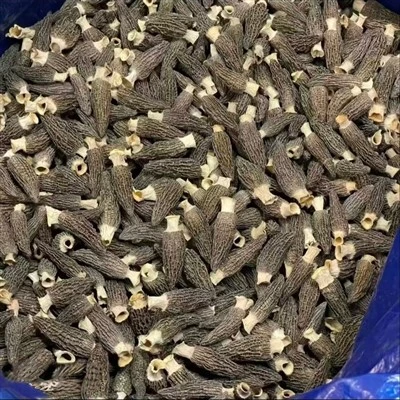
First, let’s talk about the main event: dried black fungus and elm ear. I know a lot of home cooks get intimidated by dried fungi, but they’re basically foolproof once you get the rehydration step right. My customers always ask me, “How do you make them not rubbery?” and the answer is simple: don’t rush the soak. Most people throw them in a bowl with warm water for 10 minutes and call it a day—yikes, that’s a mistake. Black fungus and elm ear need time to plump up properly, and warm water can make the edges mushy while the core stays tough.
Here’s my go-to rehydration method, tested a million times with my own stock: put the dried fungi in a large bowl (they expand a lot, I mean a lot—like, 3x their dried size) and cover them with cold, filtered water. Add a tiny pinch of salt (helps break down any dirt or grit that’s stuck in those crinkles) and a splash of white vinegar (that’s a pro tip I picked up from my mom—cuts down on any earthy aftertaste). Let them sit on the counter for 45 minutes, not 10, not 20. You’ll know they’re ready when they’re soft, bouncy, and when you tear a piece in half, there’s no white, dry core. Once they’re soaked, drain them and rinse 2-3 times to get rid of any little hidden bits of dirt. Pat them dry with paper towels gently—don’t squeeze too hard, that’ll make them slimy. If you’re in a pinch, you can use warm water for 20 minutes, but cold is way better for texture. I’d never sell fungi that can’t handle that soak, but even the best stuff needs the right prep.
Now, the creamy part. This is where a lot of people go wrong—they reach for heavy cream or loads of cheese, and it ends up being too rich, like a sauce that sits heavy in your stomach. For a light but creamy dish, I love using a blend of plain Greek yogurt and a splash of unsweetened oat milk. It’s tangy, light, and way easier on the palate than straight cream. If you’re dairy-free, swap Greek yogurt for silken tofu blended smooth—game changer, I promise. The key to keeping this creamy is not boiling the sauce too hard. High heat makes yogurt curdle and tofu separate, so we’re going for a gentle simmer, max. Add a little garlic and shallot for depth, some thyme and black pepper for warmth, and a tiny pinch of nutmeg (I know it sounds weird, but it brings out the earthy flavor of the fungi without tasting like dessert).
Let’s move on to the dish itself—think of it as a savory bowl, or a side that works with chicken, fish, or even just crusty bread. Here’s the breakdown: once your fungi are prepped, slice them into thin strips (they look like little black and grey ribbons, super pretty) and sauté them for 2 minutes in a little olive oil to bring out their nuttiness. Don’t overcook them—they should be crispy-tender, not mushy. Then, remove them from the pan, sauté some minced shallot and garlic until they’re fragrant (30 seconds, don’t burn them—burnt garlic is a mood killer). Add your cream base: mix ½ cup plain full-fat Greek yogurt, ¼ cup unsweetened oat milk, 1 tsp Dijon mustard (just a tiny bit, adds tang), and a pinch of salt, pepper, and nutmeg. Whisk that together until smooth, then pour it into the pan with the shallot and garlic. Simmer on low for 2 minutes, stirring constantly, until it’s just thick enough to coat the back of a spoon. Throw the fungi back in, toss to coat, and add a handful of fresh parsley or chives for a pop of color. That’s it—done in 15 minutes, from start to finish.
Wait, let’s talk about why this works so well, scientifically. Fungi, especially black fungus and elm ear, have a high polysaccharide content—those long chain molecules that give them their bouncy texture. When we rehydrate them properly, those polysaccharides stay intact, and when we sauté them briefly, they don’t break down into slimy goo. The creamy base we’re using (Greek yogurt and oat milk) has proteins and fats that bind to the fungi’s surface, creating a smooth, cohesive sauce without needing any added thickeners. If you use heavy cream, the high fat content coats the fungi too much and overpowers their subtle, woody flavor, but this blend lets the fungi shine while still being rich and creamy. Also, the vinegar we added during rehydration helps break down the cell walls of the fungi, making them more absorbent of the sauce—so every bite is flavorful, not just plain fungi.
I get a lot of first-time customers who tell me they “don’t like mushrooms” (which, let’s be real, these aren’t the button mushrooms you’re thinking of) or who say dried fungi is “too hard to work with.” But once you nail the rehydration, it’s like using a fresh ingredient that has a deeper, more complex flavor. This creamy dish is also super versatile—add some sautéed spinach or cherry tomatoes for color, toss in cooked pasta for a full meal, or serve it over quinoa for a gluten-free option. My go-to is to pair it with grilled chicken thighs, because the savory creaminess balances the smoky chicken perfectly.
Now, let’s chat about quality. As a supplier, I only source black fungus and elm ear that’s sun-dried, not oven-dried. Oven-dried fungi lose that subtle woody flavor and can get a stale, cardboardy taste. Sun-drying locks in all the nutrients and gives them that chewy, bouncy texture people love. Also, I make sure to pick fungi that’s free of any extra stems or debris—no one wants to bite into a hard stem in their creamy dish. That’s why my customers come back, right? They know they’re getting consistent, high-quality product every time.
If you’ve never tried a creamy dish with these fungi, do yourself a favor and give this a shot. It’s not like anything you’ve had before—rich, earthy, and so satisfying without being heavy. The best part is how simple it is, even if you’re new to cooking with dried fungi. Don’t overthink it, don’t skip the rehydration step, and don’t be afraid to adjust the seasoning—add more garlic if you love it, or a squeeze of lemon for extra tang.
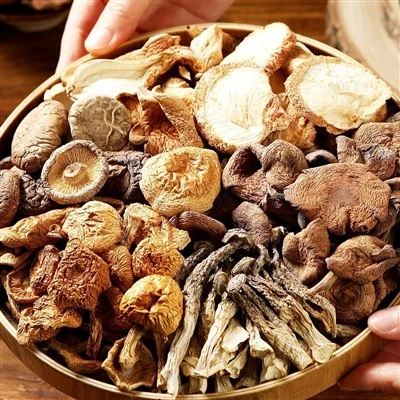
I get it, cooking can feel daunting when you’re working with ingredients you don’t use every day. But that’s why I’m here—whether you’re a home cook just starting out or someone who’s been using fungi for years, I’m always happy to answer questions about prep, recipes, or storage. If you’re looking for high-quality, sustainably sourced dried black fungus and elm ear, I can help with that too—just reach out to chat about your needs, whether you’re restocking for your restaurant, buying for family meals, or testing new recipes. No stuffy sales talk, just real advice and good product.
Dried Black Fungus & Elm Ear References: Chang, S. T., & Miles, P. G. (2004). Mushrooms: Cultivation, Nutritional Value, Medicinal Effect, and Environmental Impact. CRC Press.
Wasser, S. P. (2002). Medicinal mushrooms as a source of antitumor and immunomodulating polysaccharides. Applied Microbiology and Biotechnology.
Zhang, Y., et al. (2018). Nutritional and functional properties of wood ear mushroom (Auricularia auricula-judae): A review. Journal of Food Science and Technology.
Qingyuan Manchu Autonomous County Lichang Native Produce Co., Ltd.
We are one of the most professional dried black fungus & elm ear manufacturers and suppliers in China, featured by quality products and good price. Please rest assured to wholesale bulk dried black fungus & elm ear for sale here from our factory. Welcome to view our website for more information.
Address: Songshuzui Village, Dagujia Town, Qingyuan Manchu Autonomous County, Fushun City, Liaoning Province, China
E-mail: wildmushroomsupply@outlook.com
WebSite: https://www.wildmushroomsupply.com/
